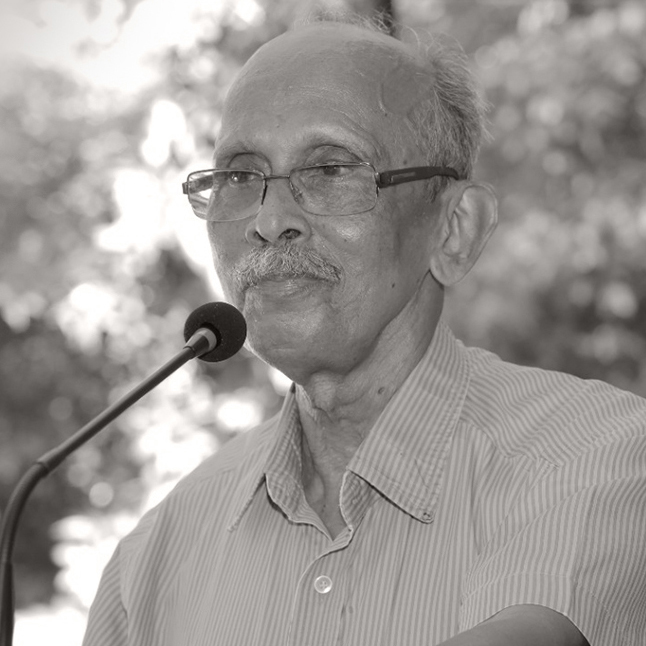
By Dr. K.M. George
Secretary-General, Global Millets Foundation | CEO, Sustainable Development Forum
melmana@gmail.com
A Nation That Redefines Happiness
Helsinki does not boast eternal sunshine, endless beaches, or the raw energy of a global superpower. Winters are long, skies often grey, and the population barely six million. Yet Finland has quietly achieved what larger, richer, and louder nations have failed to do: become the happiest country on Earth, year after year, according to the World Happiness Report.
This is no accident. It is not luck, nor divine intervention. Finland has engineered happiness as a way of life. Without leaning on religious authority or political theatrics, it has built a model grounded in equity, trust, balance, and resilience. In a world torn by wars, inequality, and political chaos, Finland offers humanity a lesson: happiness is not a mirage, but a garden carefully cultivated.
As a visitor in Helsinki, one cannot help but notice a subtle calm in the streets, a quiet dignity in social interactions, and a culture that seems to celebrate the ordinary yet essential joys of life: a cup of coffee in the early morning, children laughing in open schoolyards, families walking through birch forests in silence. Finland’s secret is not hidden in luxury or spectacle; it is woven into the fabric of daily life.
Here are ten lessons Finland offers the world—ten pathways toward turning Earth into a more livable paradise.
- Equity Over Excess
In Finland, the gap between rich and poor is far narrower than in most countries. Progressive taxation, accessible social services, and universal basic principles of dignity ensure that no citizen is left behind.
Consider this: Finnish seniors receive pensions that allow for a dignified life. Children born into modest families have access to high-quality schools, libraries, and health services. Wealth is not concentrated in gated enclaves. Public housing, supported by government policies, ensures that even low-income citizens live in safe, comfortable neighborhoods.
Extreme inequality is toxic to social trust. Finland’s approach reduces envy, fosters cooperation, and emphasizes shared responsibility. People measure success not by flashy cars or mansions but by security, fairness, and community.
Global lesson: Societies should chase equity, not excess. Happiness grows where fairness thrives. Policymakers should design tax regimes and social welfare policies that narrow inequalities without stifling innovation.
- Schools Without Strain
Finland’s education system is a case study in human-centered learning. Unlike in many countries, there are no endless standardized tests or excessive homework. Children start school at age seven, allowing early childhood to be rich with play and exploration.
Teachers, highly trained and respected, have autonomy in classroom design. They nurture curiosity, creativity, and empathy rather than mere rote memorization. Students participate in collaborative projects, outdoor learning, and creative arts, reducing stress and enhancing engagement.
One Finnish teacher shared: “We want children to love learning, not fear it. Exams measure a narrow skill, but life requires flexibility, empathy, and curiosity.”
Global lesson: Education should shape full human beings, not just skilled workers. Governments can learn from Finland by focusing on teacher empowerment, smaller class sizes, and curricula that emphasize life skills and emotional intelligence alongside academics.
- Trust Is the Currency
Trust pervades Finnish society. Citizens trust their government, their police, and each other. Corruption levels are among the lowest globally. Transparency is high, and accountability is a cultural norm.
A striking example: in Helsinki, it is common for parents to leave children in strollers outside cafés while they dine inside. Lost wallets are often returned untouched. Trust reduces fear and fosters civic cooperation.
In contrast, many nations struggle with pervasive suspicion, which erodes social cohesion and inhibits happiness. Trust is Finland’s invisible wealth—it lubricates society and allows citizens to focus on growth, creativity, and well-being rather than defense and fear.
Global lesson: Build institutions that earn trust, and happiness will follow. Leaders must focus on transparency, anti-corruption measures, and civic engagement to cultivate social capital.
- Nature Belongs to All
Finland’s forests and lakes are not the exclusive domain of the wealthy. Through the principle of Everyman’s Right, all citizens can walk, swim, hike, or camp on private or public land. This access fosters a profound connection to nature.
During long winters, families embrace outdoor sports like cross-country skiing, ice fishing, and snowshoeing. The cultural practice of “forest bathing” reduces stress and enhances mental well-being. Citizens experience nature not as a luxury but as an essential part of life.
Global lesson: Treat nature as a human right. Policymakers should prioritize public access to parks, rivers, and green spaces, integrating environmental stewardship into urban planning and national policy.
- Balance Over Burnout
Finnish work culture prioritizes well-being. The average worker enjoys fewer hours, flexible schedules, and longer vacations. Policies protect parental leave, family time, and personal development.
A software engineer in Tampere noted: “I finish work at five, and I’m encouraged to disconnect. My productivity hasn’t suffered; in fact, I am more creative when rested.”
Happiness is not found in exhaustion but in balance. Work-life harmony increases productivity and reduces societal stress, demonstrating that the pursuit of economic output need not compromise well-being.
Global lesson: Redefine success. Governments and businesses must incentivize rest, flexible work, and mental health support to cultivate sustainable productivity.
- Simple Living, Deep Contentment
Finnish lifestyles embrace simplicity and functionality. Homes are minimalist, yet warm; design focuses on comfort and sustainability. The cozy sauna is central to family life, serving as a space for reflection and social bonding.
Material consumption is moderated. Citizens invest in quality, durability, and experiences rather than flashy goods. Social surveys indicate that satisfaction correlates more with meaningful experiences than with income.
Global lesson: Happiness is about quality, not quantity. Economic policy should balance growth with sustainability and promote a culture of mindful consumption.
- Faith in Humanity, Not Dogma
Finland maintains a neutral stance toward religion. Faith is personal, not political. Religious institutions do not dominate public life, allowing governance to prioritize universal ethical principles: kindness, fairness, and respect.
This approach reduces conflict and polarization, fostering social harmony. In contrast, many countries struggle with sectarian divisions that undermine public trust and civic cooperation.
Global lesson: Build public life on universal values. Policies rooted in ethics, human rights, and equality foster cohesion in diverse societies.
- Healthcare Without Fear
Healthcare in Finland is affordable, accessible, and viewed as a basic right. Mental health care is integrated with physical health, and investments in preventive care are high. Citizens do not fear financial ruin due to illness.
A Helsinki hospital reports that mental health interventions, community counseling, and workplace wellness programs have dramatically reduced depression and anxiety rates compared to global averages.
Global lesson: Universal healthcare is infrastructure for happiness, not charity. Governments must prioritize accessibility, affordability, and mental health to secure societal well-being.
- Sisu: The Silent Strength
The Finnish concept of sisu embodies quiet resilience. It is perseverance through adversity, not flashy heroism. Sisu helped Finns endure harsh winters, wars, and economic upheavals without losing dignity.
It is visible in daily life: parents teaching children to solve problems patiently, communities rebuilding after floods, or individuals braving long polar nights without complaint.
Global lesson: Resilience should be cultivated as inner strength, not aggression. Education, community programs, and leadership models should foster endurance, patience, and emotional fortitude.
- Democracy Every Day
Democracy in Finland is lived, not just enacted. Citizens participate in dialogue, civic duties, and policy discussions. Local councils actively involve residents in decision-making, and public consultations shape national policies.
This constant engagement builds trust, reduces alienation, and strengthens societal cohesion. Elections are important, but they are part of a continuum of civic participation rather than isolated events.
Global lesson: Democracy must be embedded in daily life. Governments should empower communities, encourage transparency, and make civic participation accessible and meaningful.
A Warning to World Leaders
The temptation is strong: chase quick wins, wield slogans, or prioritize GDP over well-being. But these are mirages—illusions in the desert of political turmoil.
Finland offers a different compass. Happiness is not found in endless economic competition, ideological battles, or political theatrics. It is found in fairness, trust, balance, and resilience.
Leaders must think twice before confusing temporary applause with true well-being. Happiness cannot be manufactured through propaganda—it is cultivated through policies that respect human dignity, promote equity, and encourage social cohesion.
Paradise Is Possible
Finland is not perfect. It faces challenges: migration pressures, climate change, and an aging population. Yet even in imperfection, it has built the happiest society on Earth.
The real miracle is choice: the conscious decision to build equity, protect nature, respect dignity, and strengthen trust.
If more nations adopted these lessons, Earth itself could begin to resemble a paradise—not a utopia promised elsewhere, but a livable, joyful, and dignified home in this one.
Author Bio
Dr. K.M. George is Secretary-General of the Global Millets Foundation and CEO of the Sustainable Development Forum. He has worked across continents to promote sustainable, inclusive development and grassroots empowerment.
Email: melmana@gmail.com
References and Further Reading
- World Happiness Report 2025. United Nations Sustainable Development Solutions Network.
- OECD Better Life Index 2024 – Country Profile: Finland.
- Ministry of Education and Culture, Finland – Education Policy Overview, 2024.
- Transparency International, Corruption Perceptions Index 2024.
- European Centre for Disease Prevention and Control – Finland Health System Review, 2023.
- Helliwell, J., Layard, R., & Sachs, J. (2024). The Pursuit of Happiness in Public Policy.
- “The Finnish Way of Life: Sisu and Simplicity.” Helsinki Times, April 2025.
- UNDP Human Development Report 2024 – Equity, Trust, and Well-Being Indicators.