Bridging the AI Technology Gap Before It Becomes a Chasm
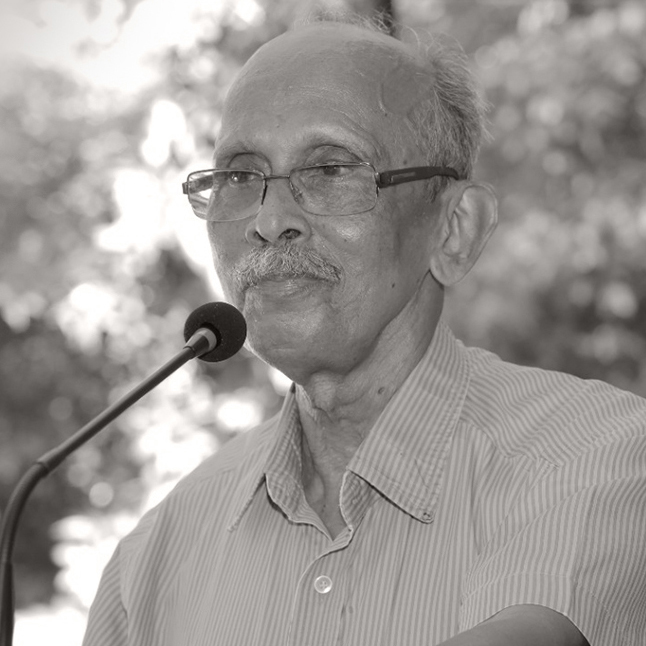
By Dr K.M. George — Secretary-General, Global Millets Foundation & CEO, Sustainable Development Forum
The world is living through a paradox. Never before have we witnessed such extraordinary leaps in technology, particularly in artificial intelligence (AI). Yet never before has the risk of exclusion been so stark. While AI transforms health, education, commerce and governance in advanced economies, large parts of the globe remain on the margins — struggling with basic digital infrastructure, skills shortages, and limited say in shaping the rules of the game.
This is not just a “digital divide” anymore. It is an AI divide, growing faster than many policymakers realize. Left unchecked, it will deepen inequality between nations and within societies. The United Nations’ recent Governing AI for Humanity report makes it clear: without urgent, coordinated action, the very technology that could help us solve global challenges may instead amplify them.
From Access to Capability: How the Divide Evolved
The digital divide of the 1990s and 2000s was about simple access: who had internet, who had devices. Over time, mobile phones and cheaper data services narrowed that gap. But the story didn’t end there.
The new divide is about capability. Can teachers use AI to prepare students for tomorrow’s jobs? Can hospitals in low-resource settings deploy AI diagnostics to catch diseases early? Can small farmers use satellite-fed AI tools to boost yields?
For many, the answer is still no — not because they lack imagination, but because they lack infrastructure, skills, data, and investment. The AI revolution, concentrated in a few labs and companies in a handful of countries, risks leaving billions of people as passive consumers of systems they had no part in shaping.
The Reality Check: Uneven AI Adoption
Recent reports from the World Bank, OECD, and UN agencies paint a sobering picture:
These realities mean AI isn’t just an innovation story. It’s a development story. And development gaps, if ignored, have a way of hardening into permanent divides.
The Challenges We Cannot Ignore
📦 BOX COLUMN: AI Through a Gender Lens
The Concern
Technology gaps are never gender-neutral. Women — especially in low- and middle-income countries — often have less access to devices, weaker digital skills, and fewer opportunities in high-paying tech sectors.
The Opportunity
AI can empower women:
The Call to Action
A gender lens is not optional. It is essential for inclusive AI.
What Must Be Done: A Seven-Point Agenda
The answer is not to slow down AI. The answer is to speed up inclusion:
📦 BOX COLUMN: AI and Education — Double-Edged Sword
The Concern
AI is transforming learning — but not always positively. Students may rely on AI shortcuts, bypassing critical thinking and research skills.
Risks for Formal Education
The Opportunity
AI can enhance learning if guided properly:
Call to Action
Bottom Line
AI is not anti-educational — but without careful guidance, it risks undermining formal learning foundations.
Proof That It Works: Early Success Stories
Inclusive AI is already showing impact:
These pilots, if scaled, can provide replicable models for broader deployment.
What to Measure: Tracking Progress
Governments and donors should track:
These metrics ensure that AI advances shared opportunity, not entrenched inequality.
The Political Economy of AI: Who Wins, Who Resists
Countries and companies with a head start will protect their advantages. They may resist open models, global standards, or redistributive funds.
Coalitions matter. Governments, donors, civil society, and responsible businesses must act together. Incentives (funding, partnerships) and obligations (audits, licensing, standards) can align cooperation. The UN’s call for multilateral AI governance — including a global capacity-building fund — is a starting point, but urgent operationalization is critical.
A Turning Point, Not a Foregone Conclusion
AI is not destiny. It is a set of choices.
We can let the divide widen, leaving billions behind. Or we can invest in digital infrastructure, reskill workers, empower women, safeguard education, and democratize access. Done right, AI can be an engine of shared prosperity. Done wrong, it will entrench inequality.
The technology is moving fast. Our response must move faster.
Dr K.M. George
Secretary-General, Global Millets Foundation
CEO, Sustainable Development Forum
Home
About Me
Profile
Workes
Gallery
Contact
Copyright © 2026
Powered by Truly Converting Content
All Rights Reserved.