A Flagship Policy Report for Governments, Multilateral Agencies, and UN Archives
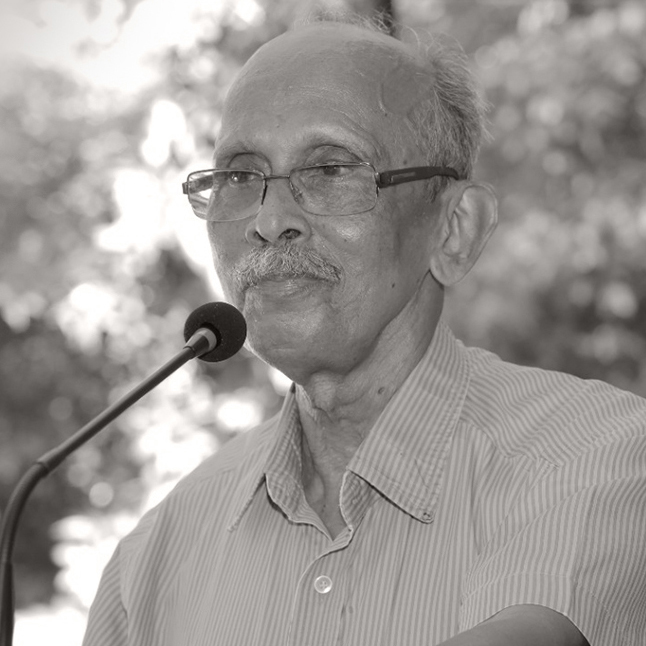
Author: Dr K. M. George
Former UN Professional
Secretary-General, Global Millets Foundation
CEO, Sustainable Development Forum (SDF)
Email: melmana@gmail.com
Website: http://drkmgeorge.com
Abstract
Crop waste management has emerged as one of the most consequential yet persistently neglected challenges in Indian agriculture and global sustainability governance. India generates over half a billion tonnes of agricultural residues annually, a substantial portion of which continues to be disposed of through open-field burning—most visibly in the rice–wheat systems of Punjab, Haryana, western Uttar Pradesh, Rajasthan, and Madhya Pradesh. The resulting air pollution regularly engulfs Delhi and large parts of northern India, producing severe public health impacts, economic losses, ecological stress, and reputational costs for the country.
This flagship policy report situates India’s crop residue crisis within a wider global failure of ecological stewardship marked by weak compliance by affluent economies with climate commitments, persistent forest burning in the Amazon and South-East Asia, and the accelerating vulnerability of the Himalayan ecosystem. It argues that stubble burning is not merely a technological or enforcement failure but a symptom of deeper structural distortions: compressed cropping cycles, distorted price incentives, labour shortages, missing biomass markets, and an economic paradigm driven by short-term profit and unsustainable human greed.
Importantly, the report foregrounds biochar as a strategically underutilised solution—one that converts agricultural waste into a stable, carbon-negative soil amendment with multiple co-benefits for soil health, water retention, farm resilience, decentralised rural enterprise, and access to emerging carbon markets. With a data-rich analysis, a Kerala-focused deep-dive, global comparative assessment, and a phased implementation roadmap (2025–2035), the report offers actionable pathways for India and international partners to align agriculture, climate action, livelihoods, and ethics with the Sustainable Development Goals (SDGs).
Executive Summary (Expanded with Biochar)
Agricultural crop waste has become a defining governance challenge of the twenty-first century. India alone produces an estimated 500–550 million tonnes of crop residues annually. Historically, most residues were reintegrated into farming systems as fodder, household fuel, compost, or soil cover. Rapid mechanisation, monocropping, shrinking landholdings, and time-compressed cropping calendars have dismantled these circular systems.
The most visible manifestation of this breakdown is the large-scale burning of paddy straw across Punjab, Haryana, western Uttar Pradesh, Rajasthan, and Madhya Pradesh. Every autumn, smoke from thousands of fires blankets the Indo-Gangetic Plains, pushing air quality in Delhi and adjoining regions into hazardous levels. The economic cost of this pollution—through health expenditure, lost labour productivity, premature mortality, and educational disruption—runs into tens of billions of rupees annually.
Despite judicial directives, policy pronouncements, and subsidies for machinery such as Happy Seeders and straw balers, stubble burning persists. This report argues that the persistence reflects not farmer indifference but structural failure. Farmers face tight sowing windows, rising labour costs, uncertain markets for residues, and policy regimes that reward output quantity while externalising environmental costs.
Biochar offers a missing bridge between environmental necessity and farm-level economics. Produced through controlled pyrolysis of crop residues, biochar converts waste into a stable form of carbon that can remain in soils for centuries. Its application improves soil structure, nutrient use efficiency, microbial activity, and drought resilience while permanently sequestering carbon. Unlike large, capital-intensive bioenergy projects, biochar lends itself to decentralised, small-scale production suitable for village clusters, FPOs, and even household-level units.
Globally, India’s challenge mirrors a deeper contradiction in climate governance. While developing countries are urged to decarbonise rapidly, many nations in the Global North remain off-track on emissions reduction, climate finance commitments, and responsible consumption. Forest fires in the Amazon basin and South-East Asia—often driven by speculative agribusiness and extractive industries—continue to undermine global climate stability.
The Himalayan ecosystem, critical to South Asia’s water security, is particularly vulnerable to black carbon deposition and rising temperatures. Its degradation illustrates climate injustice: regions least responsible for emissions suffer the gravest consequences.
Within India, regional contexts matter. Kerala exemplifies a paradoxical development trajectory: high literacy, longevity, and social indicators alongside declining agriculture, acute labour shortages, rising human–animal conflict, and growing dependence on remittances. Biochar-based soil restoration and carbon farming present a low-labour, high-impact pathway for reviving degraded soils, plantation crops, homesteads, and fallow land.
This report contends that crop waste management cannot be treated in isolation. It must be embedded within a broader transition to a circular, low-carbon, ethically grounded economy. It concludes with a phased implementation roadmap (2025–2035) and twenty-two priority policy recommendations.
- Introduction: Crop Waste as a Civilisational Test
Human societies have always generated waste. What distinguishes the present era is not waste itself but its unprecedented scale, speed, and ecological toxicity. Agricultural residues—once central to regenerative farming—now symbolise broken linkages between production, markets, labour, and ethics.
The crop waste crisis tests whether modern economies can operate within ecological limits and whether political systems can privilege long-term survival over short-term convenience. Biochar reintroduces the ancient wisdom of returning carbon to the soil using modern science and climate accounting.
- Scale and Structure of Crop Residues in India
India’s crop residues arise primarily from rice, wheat, sugarcane, cotton, maize, and oilseeds. Rice and wheat together account for the bulk of residues by volume. Paddy straw poses specific challenges due to its high silica content, low fodder value, and bulky nature.
Data Snapshot (Indicative) • Total crop residues: ~500–550 million tonnes/year
• Burnt in open fields: ~90–140 million tonnes/year
• Major contributor states: Punjab, Haryana, Uttar Pradesh, Madhya Pradesh, Rajasthan
The dominance of rice–wheat monoculture under MSP-led procurement has locked farmers into environmentally rigid systems.
- Health Costs and Economic Modelling of Stubble Burning
Air pollution from crop residue burning significantly elevates PM2.5 and PM10 concentrations. Epidemiological studies conducted between 2020 and 2024 link these spikes to increased hospital admissions, respiratory morbidity, cardiovascular stress, adverse pregnancy outcomes, and premature mortality.
Avoidance of open burning through biochar production directly reduces these health burdens, producing immediate public health co-benefits alongside long-term climate gains.
Economic Cost Components
• Direct healthcare expenditure
• Productivity losses and absenteeism
• Premature mortality valuation
• Educational disruption
• Long-term cognitive and developmental losses
Conservative estimates place the annual economic burden of episodic air pollution in northern India at 1–2 per cent of regional GDP during peak years.
- Black Carbon, Himalayas, and Transboundary Impacts
In contrast to open burning, biochar production avoids black carbon emissions while locking carbon into a stable form, directly contributing to Himalayan climate risk reduction.
- Why Policy Responses Have Underperformed
- Technology deployed without market assurance
• Fragmented institutional mandates
• Over-reliance on punitive measures
• Weak behavioural and incentive alignment
• Failure to promote low-cost, decentralised solutions such as biochar
- Biochar as a Strategic Solution for Crop Waste Management (New Section)
Biochar is produced through oxygen-limited thermal conversion (pyrolysis) of biomass. When applied to soils, it delivers multiple benefits:
Agronomic Benefits
• Improved soil organic carbon and structure
• Enhanced nutrient retention and fertiliser efficiency
• Increased water-holding capacity
• Improved resilience to drought and floods
Environmental Benefits
• Permanent carbon sequestration
• Reduction in methane and nitrous oxide emissions
• Elimination of open-field burning
• Improved biodiversity and soil microbiology
Economic and Institutional Benefits
• Decentralised rural enterprises
• Low entry barriers for smallholders and SHGs
• Eligibility for voluntary and compliance carbon markets
• Reduced dependence on imported fertilisers
India is uniquely positioned to become a global leader in biochar-based climate-smart agriculture.
- Global North Accountability: A Comparative Perspective
Per-capita emissions and material consumption in North America and Europe remain several times higher than those of India. Despite repeated commitments, the pledge to mobilise USD 100 billion annually in climate finance for developing countries remains unmet.
Forest fires in the Amazon basin and South-East Asia—often driven by speculative agribusiness and extractive industries—continue to undermine global climate stability. Deforestation-linked commodities persist in global supply chains despite corporate and governmental pledges.
The credibility of global climate governance depends on reciprocal responsibility, transparency, and enforcement across both production and consumption systems.
- Ethics, Stewardship, and Intergenerational Justice
Across ethical traditions, including Biblical stewardship, humanity is entrusted to till and keep the earth. Development pathways that ignore this responsibility mortgage the future of coming generations.
Biochar represents a moral and practical act of restitution: returning borrowed carbon to the soil in a stable form, repairing ecological damage while sustaining livelihoods. The crop waste crisis reflects a deeper ethical failure—the normalisation of ecological harm for short-term gain.
- Kerala Deep Dive: Biochar for High-Value, Low-Labour Agriculture (Revised)
Kerala’s fragmented holdings, ageing farmers, and labour scarcity make large mechanised solutions impractical. Biochar, composted with animal manure and green waste, is ideally suited for homesteads, plantations, spice gardens, coconut, rubber, and fruit crops.
Village-level biochar kilns can be integrated with waste management, ecotourism, Ayurveda-linked organic branding, and carbon-neutral panchayats.
- Role of Sustainable Development Forum (SDF) (New Section)
The Sustainable Development Forum (SDF) can play a catalytic role by: • Piloting household- and FPO-level biochar units
• Training farmers, women’s groups, and youth
• Developing biochar standards and protocols
• Aggregating carbon credits for small producers
• Linking biochar with millets, organic farming, and wellness economies
- Viable Transition Pathways for India and Kerala
- Biomass-based energy and materials
• Bio-CNG, pellets, and second-generation biofuels
• Biochar-based carbon farming and soil restoration
• Millets and climate-resilient crops
• IT, AI, and digital public goods
• Sustainable tourism, Ayurveda, and medical tourism
• Homestays and community-led rural enterprises
- SDG Alignment Matrix (Updated)
- SDG 2 – Zero Hunger
• SDG 3 – Good Health
• SDG 7 – Clean Energy
• SDG 8 – Decent Work
• SDG 11 – Sustainable Cities
• SDG 12 – Responsible Consumption
• SDG 13 – Climate Action
• SDG 15 – Life on Land
- Policy Implementation Roadmap (2025–2035)
Phase I (2025–2027): Foundation
• Creation of biomass and biochar markets
• Pilot decentralised biochar units
• Incentive realignment and institutional coordination
Phase II (2028–2031): Scaling
• Expansion of biochar-based carbon farming
• Integration with soil health missions and SDG budgeting
• Labour and investment reforms
Phase III (2032–2035): Consolidation
• Integration with national and international carbon markets
• Export of green services and technologies
• Independent SDG performance review
- Priority Policy Recommendations (Expanded to 22)
- National Biochar Mission for Smallholders
- Inclusion of biochar in soil health cards and carbon markets
- Conclusion: From Burning to Building Carbon-Rich Soils
The crop waste crisis is not a deficit of knowledge or capacity but of moral and institutional alignment. Biochar symbolises a shift from destruction to regeneration—from smoke to soil, from waste to wealth.
India has the opportunity to lead a globally relevant, ethically grounded transition. The time to act is now.
References
FAO. 2021–2024. Crop Residue Management and Sustainable Agriculture. Food and Agriculture Organization of the United Nations, Rome.
Government of India. 2020–2024. Economic Survey. Ministry of Finance, New Delhi.
ICAR. 2020–2024. Reports on Crop Residue Management. Indian Council of Agricultural Research, New Delhi.
IPCC. 2021–2023. Sixth Assessment Report. Intergovernmental Panel on Climate Change, Geneva.
Lehmann, J., and Joseph, S. 2015. Biochar for Environmental Management: Science, Technology and Implementation. Routledge, London.
Lehmann, J. et al. 2021. Biochar in climate change mitigation. Nature Geoscience.
NITI Aayog. 2021–2024. SDG India Index. Government of India, New Delhi.
OECD. 2021–2024. Climate Finance Provided and Mobilised. Organisation for Economic Co-operation and Development, Paris.
UNEP. 2020–2024. Emissions Gap Report. United Nations Environment Programme, Nairobi.
WHO. 2020–2023. Air Pollution and Health. World Health Organization, Geneva.
World Bank. 2020–2024. The Cost of Air Pollution. World Bank, Washington DC.