
Experiences and Reminiscences of a lifetime, have been compiled into an invaluable narration by Dr. K M George. The Biography is being released by Mr. K P Kannan, former Director of Asian Development Bank, on Saturday the 3rd October 2026, at 3PM, at Melmana Gardens, Ooramana, Kerala, amidst the presence of various dignitaries and distinguished guests. You are cordially invited for the same.

Microfinance in India: Boon or Curse for the Poor and Voiceless?A Critical Review of Its Genesis, Misuses, and the Road to Revival
Microfinance was once celebrated as one of the most promising innovations in development finance: small, collateral-free credit to the poorest, leveraging social capital instead of physical assets. Originating in the successes of Grameen Bank in Bangladesh, microfinance was embraced in India through the SHG-bank linkage and later via private-sector MFIs. Over time, however, many microfinance programmes in India have faltered: high delinquency, over-indebtedness, lack of livelihood integration, and borrower distress have tarnished its reputation. This paper traces the genealogy of microfinance, contextualises its Indian adaptation, examines state-wise performance, analyses delinquency and PAR (Portfolio at Risk) data, and recounts cases of borrower distress and suicides. It diagnoses structural and regulatory failures and proposes a ten-point action plan to reframe microfinance as a tool of inclusive, sustainable development—particularly relevant for India’s ~1.46 billion population (2025 estimate). Policy prescriptions emphasise accountability, mutual guarantee, market linkages, data transparency, and borrower empowerment.
From Rome to the Field: Ground-Level Interventions for Agricultural Heritage, Food Security and Farmer Dignity
As FAO celebrates its 80th anniversary and honours a new cohort of 28 heritage agricultural systems across 14 countries—bringing the total globally recognised agricultural heritage sites to 102 in 29 countries — there is both a moment of celebration and a moment of responsibility. These heritage systems remind us that small-scale farmers, drawing on centuries of labour, knowledge and place-based adaptation, are at the heart of food security, biodiversity, rural resilience and cultural identity.
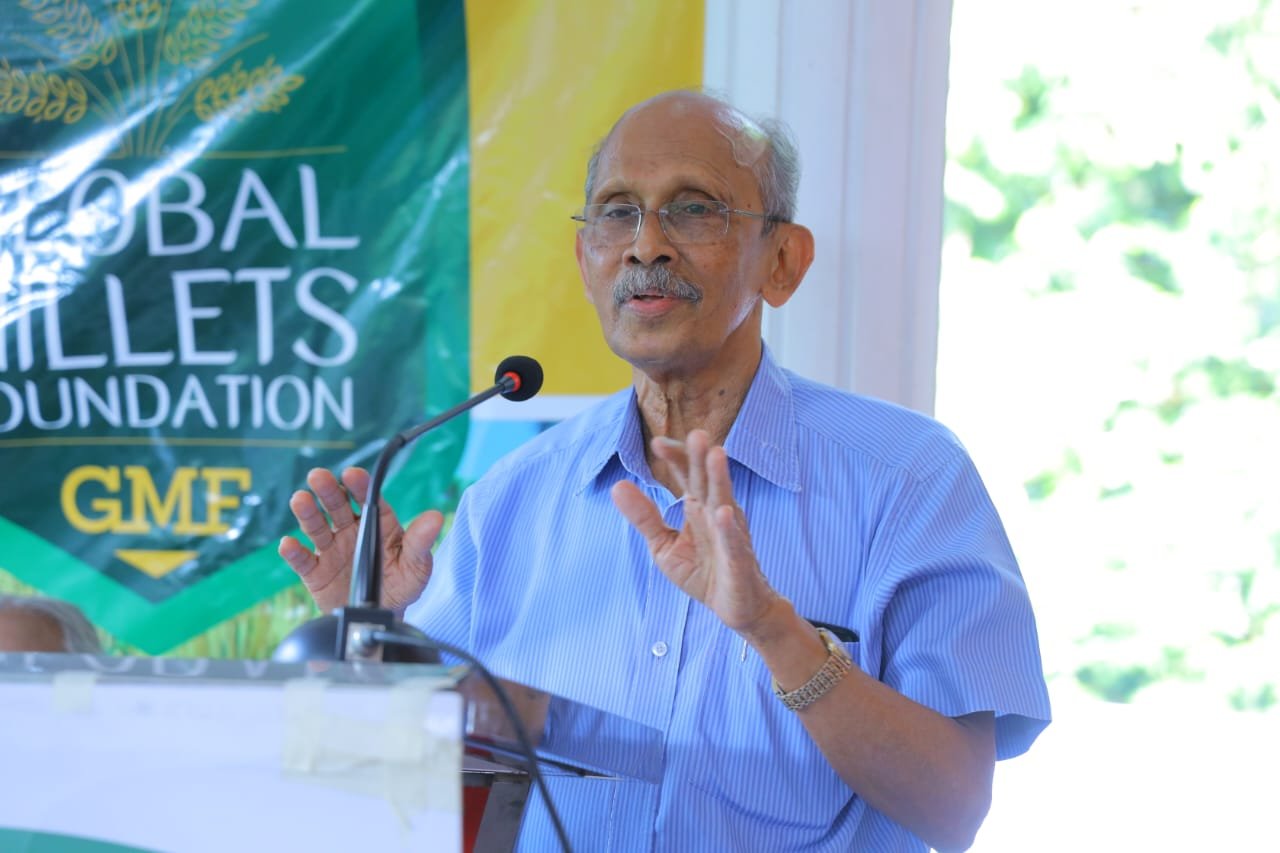
The Role of Millets in Sustainable Agriculture and Food Security: Agronomic, Nutritional and Therapeutic Perspectives for Global Wellness
Millets — a botanically diverse group of small-seeded, drought-hardy grasses that include sorghum, pearl millet, finger millet, foxtail millet, proso millet, barnyard millet and kodo millet — are re-emerging as strategic crops for sustainable agriculture, environmental resilience and public health. This paper draws together the agronomic, nutritional and clinical evidence on millets, with particular attention to their therapeutic relevance for lifestyle diseases such as type 2 diabetes, cardiovascular disease, hypertension, obesity and coeliac disease. The evidence shows that millets combine a low glycaemic index, high dietary fibre, favourable lipid-modulating and anti-inflammatory phytochemistry, and an exceptional tolerance of drought and heat that requires far less water than rice or wheat. Together these properties make millets a practical, low-cost intervention for both climate adaptation and non-communicable disease prevention, particularly across the arid and semi-arid tropics of Asia and Africa. The paper closes with ten policy recommendations addressed to national governments, public-health authorities and the international wellness community, aimed at mainstreaming millets within food-security and preventive-health strategy.
From Rome to the Field: Ground-Level Interventions for Agricultural Heritage, Food Security and Farmer Dignity
As FAO celebrates its 80th anniversary and honours a new cohort of 28 heritage agricultural systems across 14 countries—bringing the total globally recognised agricultural heritage sites to 102 in 29 countries — there is both a moment of celebration and a moment of responsibility. These heritage systems remind us that small-scale farmers, drawing on centuries of labour, knowledge and place-based adaptation, are at the heart of food security, biodiversity, rural resilience and cultural identity.
Yet too often, programmes remain in conference rooms in Rome or capital cities, while the farmer who tills the land—who faces erratic weather, climate shocks, market instability and policy neglect—sees little return, little dignity and little resilience. The recent cyclone damage to standing crops in Andhra Pradesh and elsewhere provides a clear warning that we must move from recognition to grass-roots interventions that enable small farmers to realise value and resilience.
This policy paper calls on agriculture ministers and FAO to adopt ten concrete recommendations that will reshape the narrative: from heritage as an academic or tourist badge to heritage as a living, remunerative, dignified pathway for farmers and their landscapes.
A Potential Panacea for Snakebites: Hope, Realities and the Road Ahead
Each year, across the tropical and subtropical world, thousands of lives are lost or irrevocably damaged by snakebite envenoming. The latest scientific developments—especially a promising “broad‐spectrum” antivenom—have generated hope. But what exactly does this breakthrough mean for rural masses, for farmers, for productivity and development in Asia and Africa? And when, if ever, might it become a transformative relief? Below is a synthesis of the current knowledge, the realistic challenges and the implications for rural livelihoods and global health.
AI for Dignity: Revitalising Indian Agriculture from Distress to Resilience – A Policy Paper for the Global Summit on Artificial Intelligence, New Delhi – February 2026
Indian agriculture employs nearly half of the nation’s workforce yet remains trapped in a vicious cycle of low incomes, high drudgery, climate volatility, gender invisibility, occupational hazards, weak market power, chronic indebtedness, and alarming levels of psychological distress culminating in farmer suicides. This paradox—where those who feed the nation remain among its most vulnerable—represents one of the gravest policy failures of post-independence India. This paper argues that Artificial Intelligence (AI), if ethically governed and inclusively deployed, can become a transformative public good capable of restoring dignity, resilience, and remunerative value to Indian agriculture.